
Hou Fu Ang

Hou Fu Ang

LQ000

Senior legal counsel in Singapore with 15+ years across litigation and in-house — who writes code at night and does law stuff in the day. Built redlines in 2021 because Singapore’s statutory simplification exercise needed something better than git diff, and the library ended up in Andrew Ng’s DeepLearning.AI course without him knowing. It now gets 170,000+ downloads per month on PyPI from people he’s never met for projects he’s never heard of. Maintains 71 repositories on GitHub, mostly Python, mostly solo — and writes about what actually happens when you build legal tech at night on his blog Alt + Counsel.

3 Projects

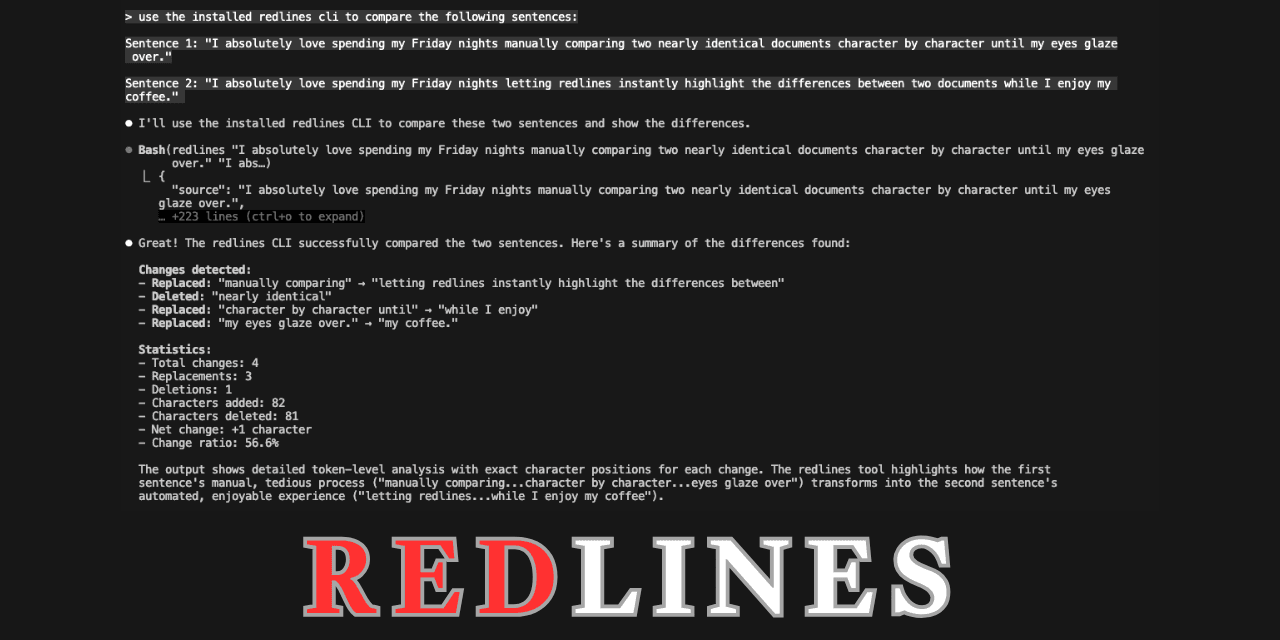
Redlines screenshot

Redlines

LibraryOpen SourceSource

Python library for comparing text and producing Track Changes-style output in JSON, Markdown, HTML, or terminal. Uses sequence matching optimized for word-level changes. Featured in Andrew Ng’s DeepLearning.AI ‘ChatGPT Prompt Engineering for Developers’ course. 152 stars on GitHub, 170,000+ monthly downloads on PyPI.

SG Law Cookies

Web AppOpen AccessSource

Automated blog that scrapes Singapore legal sources, generates AI summaries, and publishes to a static site — making legislation updates accessible without requiring a law degree. Designed as infrastructure: runs on automation with minimal maintenance.

Prompt Engineering for Lawyers screenshot

Prompt Engineering for Lawyers

Web AppOpen SourceSource

Interactive Streamlit course teaching lawyers to use LLMs effectively with legal-specific patterns — how to structure analysis, handle confidential information, and verify outputs against legal standards. Built because most prompt engineering content assumes you’re building products, not practicing law.

Featured In

  • GeekcampSGFrom Law to Code: My Unexpected Journey into Open Source

    A talk on how a corporate counsel became an accidental open-source maintainer after building a Python text-comparison tool for Singapore’s 2020 statutory revision — and what he learned about reviewing code, empathy for contributors, and why lawyers should get involved in open source.

  • Drew & Napier LLC2026 in Focus: Navigating a Changing Legal and Regulatory Landscape

    Guest speaker on AI governance and incident response, covering a three-part framework for robust AI use policies, response protocols, and safe operational practices.

  • Alt + CounselAlt + Counsel

    Blog and newsletter documenting what actually happens when you build legal tech at night — not success stories, but honest accounts of 150-hour projects with zero users and the infrastructure vs. tools framework that emerged from them.

Philosophy

Infrastructure and tools are different jobs — know which one you’re doing

Infrastructure means production-grade systems with tests, docs, and long-term maintenance. Tools mean shipping focused solutions in weekends. Neither is wrong. The key is knowing which fits the problem before you start.

Every feature is a maintenance liability you’re signing up for at 11pm on a Tuesday

Running open-source libraries solo while practicing law full-time means saying no a lot. Not about working slowly — about building systems that don’t need constant intervention.

Legal tools shouldn’t be locked behind enterprise paywalls

Most legal tech is enterprise software that costs $50K or academic papers about what’s theoretically possible. There’s a gap for practical, open-source solutions that work on nights and weekends.

Non-professional coders bring a perspective pure engineers miss

Knowing which procedural frictions matter because you hit them every day shapes what you build and — more importantly — what you say no to.

Hou Fu Ang | LegalQuants | LegalQuants